Africa

Click here to read the United States Conference of Catholic Bishops’ statement of solidarity to the Bishops of Sudan.

Africa is endowed with a wealth of natural resources, many of which have only begun to be explored. Yet many have called its resource wealth a curse.  Despite these resources, and in part because of them, disease, desertification, and conflict have all impeded or hampered development on the continent.

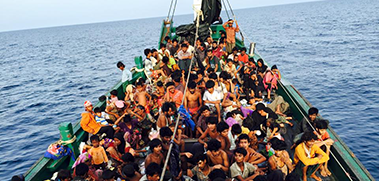
Since decolonization in the 1960s, many countries and tribes have struggled in violent conflict to determine how scarce resources will be distributed and boundaries demarcated. These conflicts have cause millions of Africans to flee their homelands and inhibited democratization processes. Whereas countries like Liberia, Sierra Leone, and Angola have negotiated peace, civil and inter-ethnic conflicts continue in countries such as Somalia, Chad, Kenya, the Sudan and the Democratic Republic of the Congo (DRC). The crisis in the DRC has engaged nearly all of its neighbors since 1998 and seen more than 3 million deaths – either directly or as a result of disease and malnutrition. There and elsewhere in Africa, natural resources and minerals, including oil, diamonds, coltan, copper and cobalt fuel the flames of conflicts, many of which have burned for more than a decade. Foreign extractive companies increasingly negotiate contracts with African governments to extract their valuable resources, creating competition that can help or hinder extraction’s impact on African people’s development.

Disease is exacerbated by the conflicts across Africa. In addition to these conflicts, and exacerbated by them, the spread of disease throughout Africa leaves many individuals without enough strength to live fully functioning lives. The AIDS epidemic is a leading cause of death in Africa: more than 20 million people live with the disease (around 12% of the population). While a recent UNAIDS report highlighted a general decline in new infections from AIDS, new infections are rising in some countries. Kenya, for example, has seen an increase from 6.7% (in 2003) to a prevalence rate of around 8.5% (in 2007). In Swaziland, the percentage of women with AIDS alone is upwards of 25%. More and more AIDS orphans in Africa find themselves with little means for survival, leading to many other social problems. Africa is a continent in need of health, healing, and hope.